
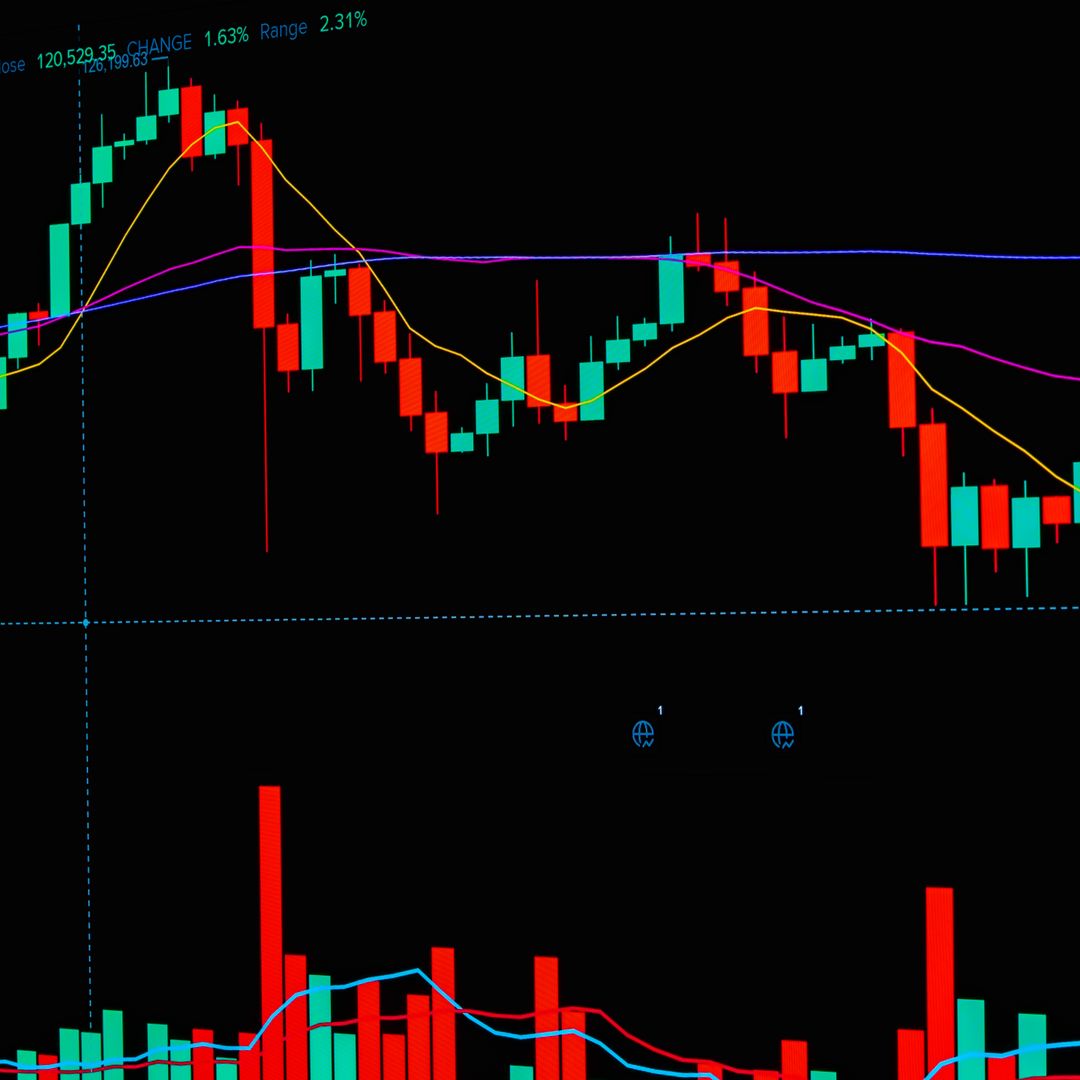

External Financial Pressures and Domestic Housing Decisions
Fluctuations in the 뉴욕증시 (New York Stock Exchange) frequently transmit volatility to domestic currency values and borrowing costs across the local economy.
Foreign nationals residing in Korea must navigate these shifting macroeconomic currents when planning long-term housing arrangements.
External market shifts alter domestic liquidity conditions and directly influence mortgage availability for non-citizens.
This article outlines essential housing procedures, financial verification steps, and risk management strategies for foreign residents.
Evaluating Rental Options and Financial Structures
Securing a place to live requires choosing between traditional deposit-heavy leases and monthly rental arrangements.
The 전세 (lump-sum housing deposit system unique to Korea) demands substantial capital upfront but eliminates monthly rent payments.
Foreign applicants often evaluate standard monthly rental contracts when large lump-sum transfers face international remittance limits or exchange rate friction.
Understanding these fundamental agreement types protects newcomers from unexpected financial liabilities during their stay.
Deposit Preservation and Currency Exposure Risks
Managing large monetary transfers across borders requires careful timing to mitigate losses from sudden foreign exchange swings.
Deposits remain tied up for the duration of the agreement, making liquidity management critical for expatriate workers.
Financial institutions review income stability and visa classifications closely before approving residential loans for non-citizens.
Monitoring broader economic indicators helps foreign tenants anticipate shifts in local lending policies.
Verification Protocols Before Contract Execution
Verifying property titles prevents fraudulent leasing attempts targeting foreign residents unfamiliar with local registries.
The Registry Office issues official documents detailing existing mortgages and legal ownership rights.
Prospective tenants examine building permits to confirm that the chosen 아파트 (apartment building) complies with residential zoning laws.
Physical inspections must verify that structural conditions match official architectural drawings.
Administrative Steps for Secure Occupancy
Completing mandatory registration steps establishes legal protection for the tenant’s financial stake.
Local community centers process move-in reports and grant official date stamps that secure priority rights over later creditors.
Prospective homeowners participating in public housing ballots must understand eligibility rules for 청약 (subscription savings accounts for home purchases).
Timely administrative filings ensure full legal compliance under national housing regulations.
Dispute Resolution and Official Oversight Channels
Disagreements regarding deposit returns or maintenance obligations require structured mediation frameworks.
Local district offices operate housing lease mediation committees to resolve conflicts without costly court litigation.
Broader economic updates and regulatory changes are regularly tracked by 한국 뉴스 outlets covering property market developments.
Maintaining clear written records of all financial transactions safeguards tenants throughout the lease lifecycle.
Authoritative Government References
Official guidelines and market statistics are published by designated national agencies to ensure transparency for all market participants.
The Ministry of Land, Infrastructure and Transport maintains housing policy databases accessible via 국토교통부.
Demographic and economic indicators are compiled regularly by 통계청 to measure residential trends.
Comprehensive real estate price indexes and market research reports are provided by 한국부동산원.
| Procedure Stage | Key Requirement | Governing Authority |
|---|---|---|
| Property Verification | Registry and Ownership Check | Ministry of Land, Infrastructure and Transport |
| Contract Registration | Move-in Report and Date Stamp | Local Community Center |
| Market Research | Price Indexes and Statistics | Korea Real Estate Board |
자주 묻는 질문 (FAQ)
How do global market movements affect foreign residents renting homes in Korea?
International market volatility can influence domestic exchange rates and lending conditions, which affects international wire transfers and mortgage availability for non-citizens.
What is the primary difference between Jeonse and monthly rent for foreign tenants?
Jeonse requires a large lump-sum deposit with no monthly payments, while monthly rent involves a smaller security deposit combined with regular recurring payments.
Which government agency provides official real estate price indexes in Korea?
The Korea Real Estate Board publishes verified property statistics and market evaluation reports.
Why is the move-in report important after signing a lease?
Filing the move-in report and securing an official date stamp establishes legal priority over later creditors regarding the return of the housing deposit.
Where can foreign residents verify property ownership details?
Property titles and mortgage histories can be verified through official registry documents issued by local registry offices.
Get in Touch
Have questions about your specific situation? Reach out anytime for a personal consultation.