
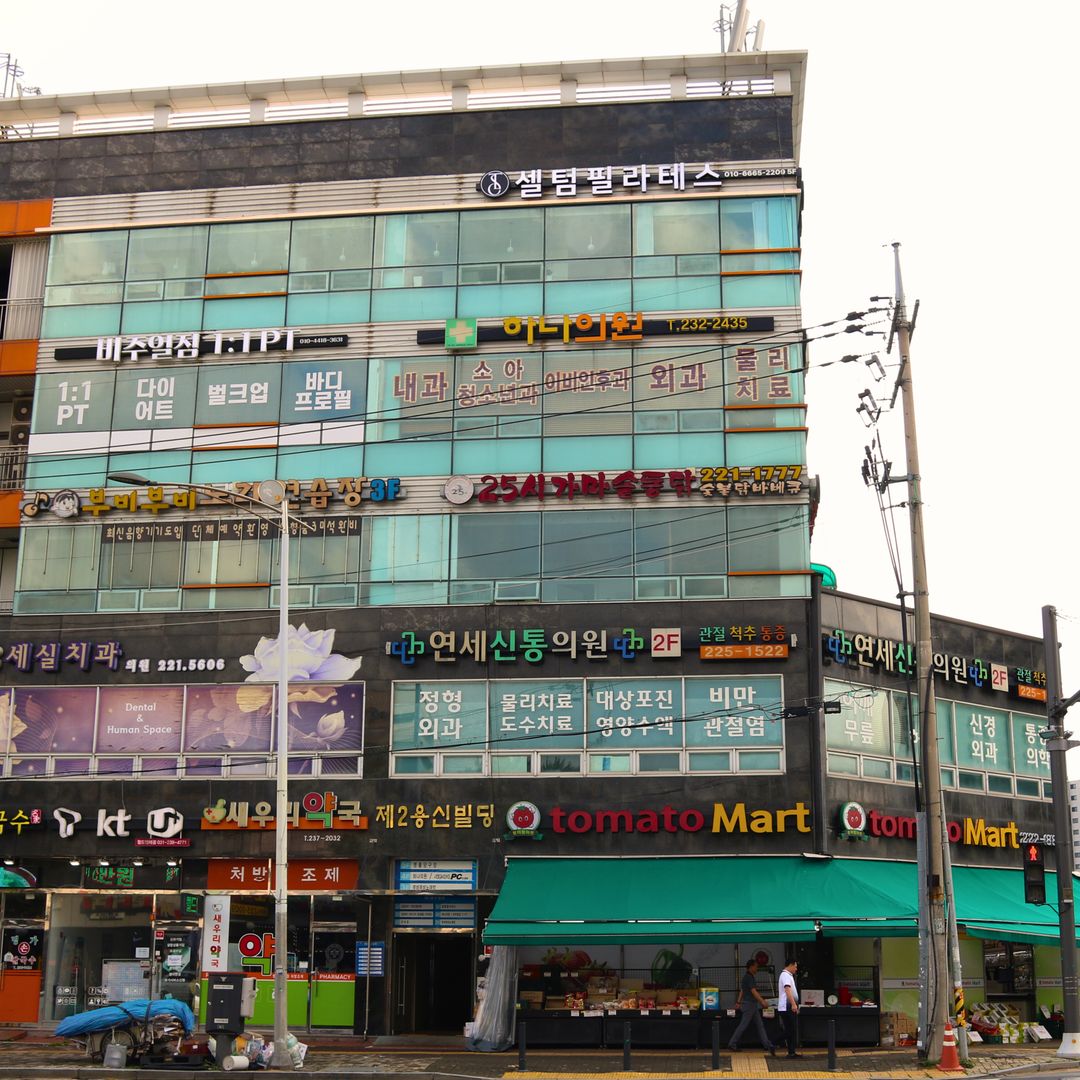
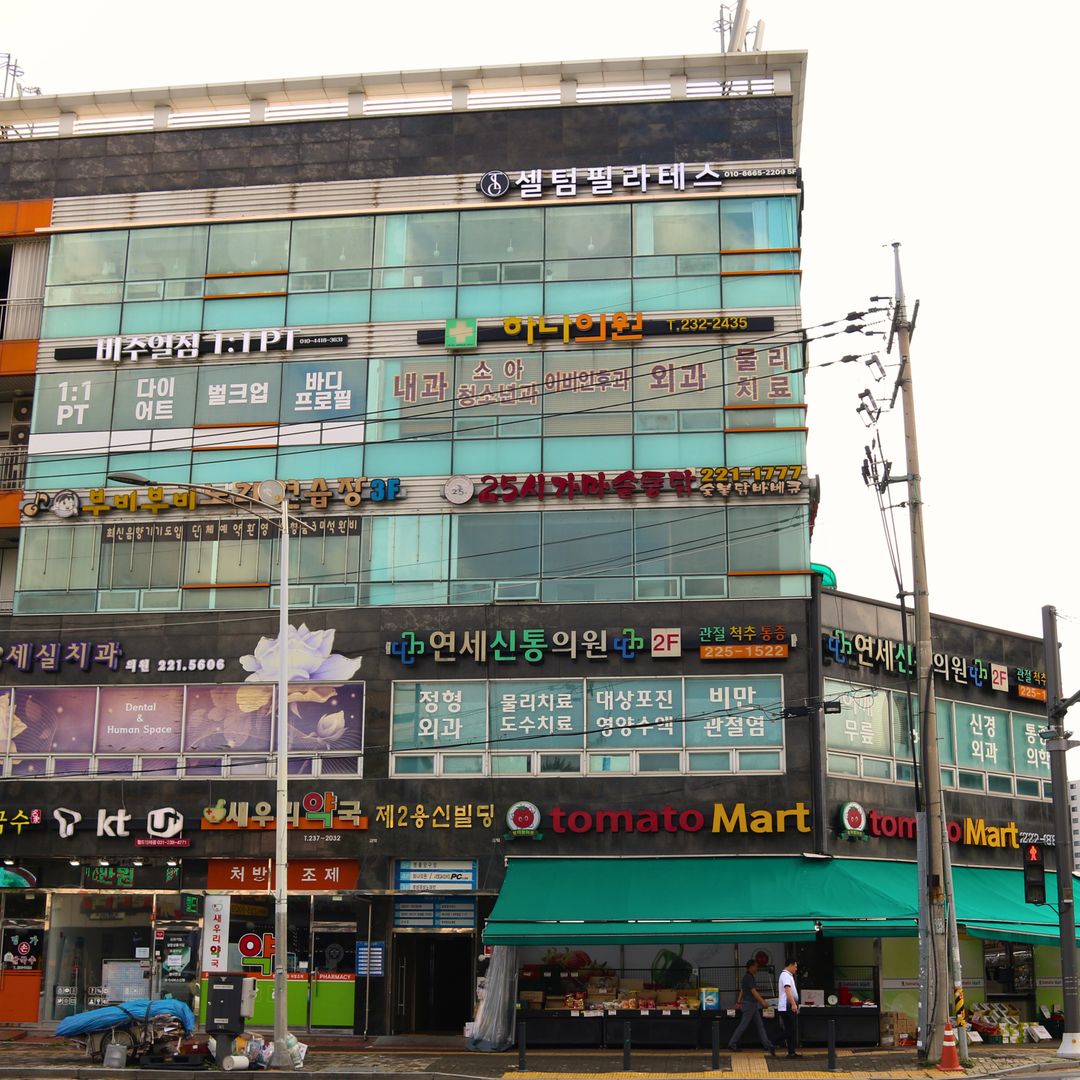
Market Entry and Commercial Infrastructure
Commercial property rental for foreign business Korea requires a precise understanding of local regulatory frameworks and property classifications.
International entities must first establish a legal business entity before securing office space in the local market.
The Korea Real Estate Board (한국부동산원) maintains rigorous oversight of commercial lease standards to ensure market transparency.
Foreign enterprises often utilize professional consulting services to navigate the complexities of office zoning and building utility requirements.
Securing a business license remains the mandatory prerequisite for any entity looking to sign a long-term lease agreement.
Comprehensive 정책 documentation provided by the government outlines the specific zoning restrictions applicable to foreign-owned firms.
Lease Structures and Financial Obligations
Commercial leases in this country typically involve significant upfront deposits that differ substantially from residential 아파트 rental terms.
Most landlords prefer a structure that combines a large security deposit with a monthly base rent to mitigate default risks.
Entities must also account for management fees and communal maintenance costs that are billed separately from the base rent.
The following table outlines common lease structures encountered by foreign businesses as of the article’s writing:
| Lease Type | Deposit Requirement | Monthly Payment Structure |
|---|---|---|
| Standard Monthly Lease | High (10-12 months of rent) | Fixed base rent + Maintenance fees |
| Short-term Serviced Office | Low (1-2 months of rent) | All-inclusive premium rent |
| Build-to-Suit Lease | Customized by contract | Amortized construction costs |
Verification and Due Diligence Procedures
Verification of property ownership is a critical step before finalizing any financial commitment.
Prospective tenants should access 부동산 정보 to confirm that the property is registered for commercial use and lacks excessive liens.
A certified copy of the Building Register (건축물대장) provides essential data regarding usage permits and structural integrity.
Foreign firms should also consult with 한국 금융 institutions to manage the cross-border transfer of funds required for these large deposits.
Failure to verify the building’s current tax status can lead to significant complications during the business registration process.
Contractual Requirements and Reporting
A standard commercial contract must include detailed provisions regarding the duration of the lease and renewal options.
Parties should clearly define the scope of interior modifications allowed within the office space before signing.
The Ministry of Land, Infrastructure and Transport (국토교통부) mandates that specific lease information be reported to local district offices for proper record-keeping.
Each contract should clearly stipulate the conditions under which the security deposit is returned at the end of the term.
Legal counsel specializing in commercial real estate provides necessary support for drafting these binding documents.
Dispute Resolution and Risk Mitigation
Disagreements over facility maintenance or unexpected rent adjustments often require formal mediation.
The Korea Real Estate Board operates specialized channels to address conflicts between commercial landlords and corporate tenants.
Maintaining a detailed, written record of all communications and maintenance requests serves as the primary defense against future disputes.
Statistics provided by Statistics Korea (통계청) regarding commercial vacancy rates offer valuable context for firms negotiating their initial lease terms.
Entities should prioritize buildings with professional management companies that handle routine utility and infrastructure issues.
자주 묻는 질문 (FAQ)
What is the first step for a foreign company looking to rent office space?
You must register your business as a legal entity in Korea to obtain the necessary documents for a commercial lease agreement.
How does a commercial lease differ from a residential lease?
Commercial leases typically involve higher deposit requirements, complex management fee structures, and strict building usage regulations monitored by local authorities.
Where can I verify the legal status of a commercial property?
You should consult the Building Register and official real estate databases provided by the Korea Real Estate Board.
Are there specific reporting requirements for commercial leases?
Yes, the Ministry of Land, Infrastructure and Transport requires that lease agreements be reported to the local district office to ensure compliance with national regulations.
How are disputes between landlords and commercial tenants resolved?
Formal mediation through government-sanctioned channels is the recommended path for resolving disagreements regarding maintenance or lease conditions.
Get in Touch
Have questions about your specific situation? Reach out anytime for a personal consultation.