
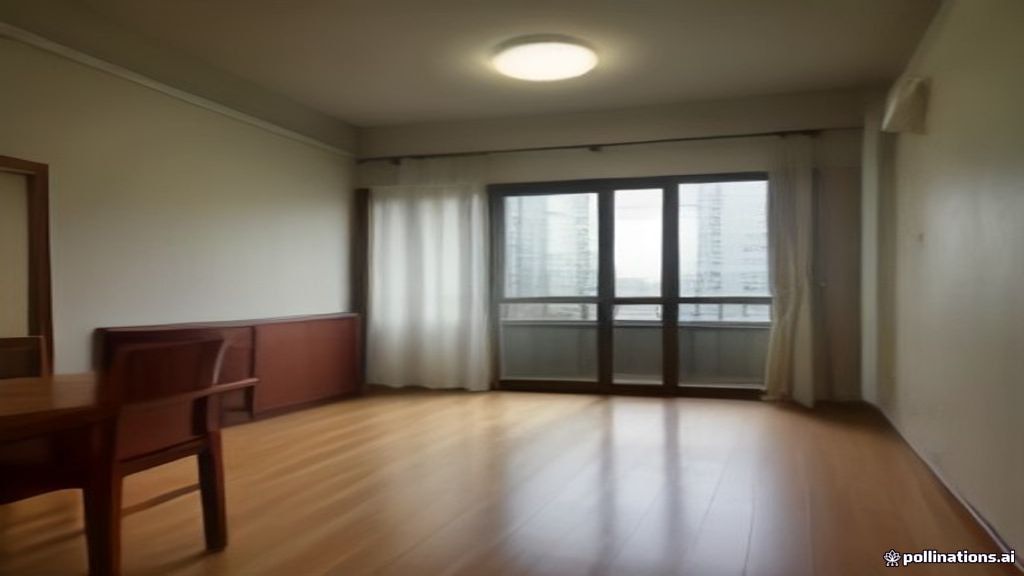

Foreign residents relocating to Korea from extremely cold regions like 알래스카 (Alaska) often find that navigating local heating systems and insulation standards in Korean apartments requires careful preparation.
Understanding how Korean residential structures manage winter temperatures is essential for avoiding unexpected utility expenses.
Most modern residential buildings in Korea utilize Ondol (underfloor heating) systems powered by individual gas boilers.
This piece covers the essential structural evaluations, contract types, and financial protection procedures that foreign tenants must complete before signing a lease.
Evaluating Korean Rental Structures and Contract Formats
International residents must choose between two primary leasing structures when securing a home.
The first option is Wolse (monthly rent with a smaller deposit) for short-term residents.
The second option is 전세 (a lease system with a large lump-sum deposit instead of monthly rent) that requires substantial upfront capital.
According to data from the Ministry of Land, Infrastructure and Transport (국토교통부), the proportion of monthly rent contracts has steadily adjusted in metropolitan areas.
Tenants looking at a typical 아파트 (apartment) must assess the structural insulation of the unit to ensure heating efficiency during the winter months.
Comparing Financial Commitments and Deposit Requirements
The financial exposure of a tenant varies drastically depending on the chosen rental mechanism.
A comparison of the two main rental frameworks highlights the distinct capital requirements and operational costs associated with each system.
| Feature | Jeonse (Lump-sum Deposit) | Wolse (Monthly Rent) |
|---|---|---|
| Deposit Size | Very high (often 60% to 80% of property value) | Low to moderate (typically 5 to 20 months of rent) |
| Monthly Payments | None (excluding maintenance and utilities) | Fixed monthly rental fee |
| Capital Return | Full deposit returned at contract termination | Deposit returned minus any unpaid rent or damages |
| Primary Risk | Non-return of deposit due to lessor insolvency | Forfeiture of smaller deposit or high monthly cash outflow |
To safeguard these substantial financial assets, foreign residents must access reliable 부동산 정보 (real estate information) before committing to any transaction.
Crucial Verification Checklist Before Signing
Verifying the legal status of the property is the most critical step in preventing financial loss.
Foreigners must obtain a certified copy of the Real Estate Register (등기부등본) to confirm the actual owner and check for existing mortgages.
If the total debt on the property exceeds a safe threshold, the risk of losing the deposit increases significantly.
Key documents that must be cross-referenced during the due diligence phase include the following items:
- Real Estate Register (등기부등본): This document displays ownership history, current mortgages, and any legal seizures on the property.
- Building Ledger (건축물대장): This record verifies if the building is legally constructed and whether any illegal modifications exist.
- Lessor Identification: The passport or alien registration card of the landlord must match the name registered on the title deed.
Cautious tenants also monitor the local market trends reported by the Korea Real Estate Board (한국부동산원) to ensure the deposit amount is reasonable compared to the property’s actual market value.
Required Administrative Steps After Signing the Contract
Signing the contract is only the beginning of the legal protection process for a foreign resident.
Immediately after signing, the tenant must report the lease contract to the local community center to secure a priority payment right.
Under Korean law, obtaining a fixed date (확정일자) on the lease agreement ensures the tenant has preferential rights to recover their deposit if the property undergoes foreclosure.
Foreign residents must submit their foreign registration card along with the original lease contract to the local authorities to complete this step.
Additionally, the housing lease report (주택임대차신고) must be filed within thirty days of signing the contract to comply with national regulations.
Legal Framework for Foreign Property Acquisition
Foreign residents who decide to transition from renting to purchasing property in Korea must adhere to the Foreigner’s Land Acquisition Act (외국인토지법).
Under this regulation, non-residents and foreign residents have almost the same rights as Korean nationals when purchasing residential real estate.
However, a report of land acquisition (토지취득신고) must be filed with the local district office within sixty days of signing the purchase contract.
If the property is located within a military reservation or cultural heritage protection zone, prior permission must be obtained before concluding the transaction.
Furthermore, foreign buyers must report the foreign capital inflow to a foreign exchange bank if the funds are transferred from overseas.
This reporting process is mandatory under the Foreign Exchange Transactions Act (외국환거래법) and requires meticulous documentation of the source of funds.
Managing Risks and Resolving Landlord Disputes
Disputes regarding maintenance responsibilities, heating repairs, or deposit returns can arise during the tenancy.
If a dispute occurs, foreign tenants can seek mediation through official government channels rather than pursuing costly litigation.
The Housing Lease Dispute Mediation Committee (주택임대차분쟁조정위원회) provides structured legal mediation services for both domestic and foreign residents.
Keeping detailed records of all communication, payment receipts, and property conditions at move-in is vital for defending one’s rights during mediation.
Staying informed through reputable news outlets like 한국 뉴스 (Korea news) helps foreign residents track changes in tenant protection laws.
Reference Sources for Foreign Tenants
Utilizing verified official portals is highly recommended for obtaining accurate regulatory guidelines.
The following entities provide authoritative data and legal support for housing transactions in Korea:
- Statistics Korea (통계청): Offers demographic and housing trend data for market analysis.
- Ministry of Land, Infrastructure and Transport (국토교통부): Governs the national housing policies and standard lease forms.
- Korea Real Estate Board (한국부동산원): Monitors market prices and transaction volumes across different regions.
Relying on these official institutions ensures that foreign residents navigate the Korean property market with minimized risk.
자주 묻는 질문 (FAQ)
Can foreign residents easily purchase real estate in Korea?
Yes, foreign residents can purchase residential properties under the Foreigner’s Land Acquisition Act, but they must report the transaction to the local district office within sixty days.
What is the primary difference between Jeonse and Wolse contracts?
Jeonse requires a large lump-sum deposit with no monthly rent, whereas Wolse requires a smaller deposit combined with fixed monthly rental payments.
How can a foreign tenant protect their rental deposit in Korea?
Tenants must obtain a fixed date (확정일자) on their lease contract and report their residence to the local community center immediately after moving in.
Get in Touch
Have questions about your specific situation? Reach out anytime for a personal consultation.