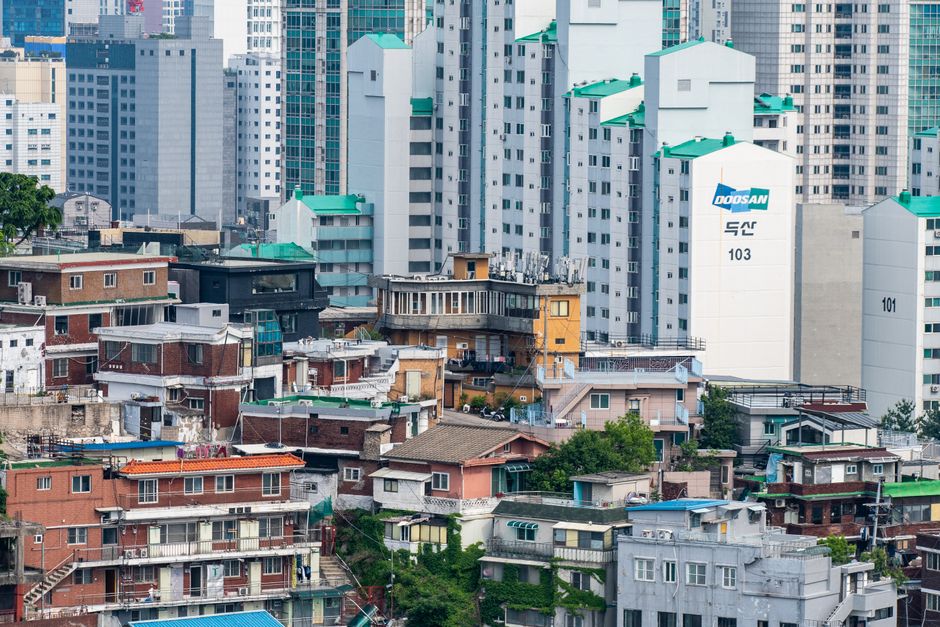
Navigating the complexities of Loans in Korea as a foreigner might seem daunting, but a clear understanding can unlock significant opportunities.
1. Current Price Data Summary
Recent transaction data from the Korea Real Estate Board (한국부동산원) indicates a steady, albeit modest, appreciation in residential property prices across major urban centers. For the period ending Q4, the average transaction price for apartments in Seoul saw a growth of approximately 2.5% year-on-year. This sustained growth, detailed within our comprehensive 부동산 정보 section, reflects continued demand and limited supply in prime locations.
2. Policy Background and Regulations
The South Korean government, through the Ministry of Land, Infrastructure and Transport (국토교통부), actively shapes the real estate market with various policies. These often aim to stabilize prices and ensure fair housing access. For foreigners, specific regulations regarding property ownership and the eligibility for Loans are crucial. Recent policy adjustments have focused on enhancing transparency and accessibility for international investors and residents, impacting the availability and terms of these important Loans. Understanding these 정책 is paramount for successful property acquisition.

3. Regional Price Comparison Table
| Region | Average Apartment Price (KRW) | Year-on-Year Change (%) |
|---|---|---|
| Seoul | 1,250,000,000 | 2.5 |
| Busan | 450,000,000 | 1.8 |
| Incheon | 380,000,000 | 2.1 |
| Gyeonggi Province | 520,000,000 | 2.3 |
This table, drawing data from 통계청 (Statistics Korea), illustrates the varied landscape of property values. Seoul consistently leads in average prices, reflecting its status as the nation’s economic and cultural hub. The growth rates, while generally positive, show subtle regional differences that are important for strategic property investment decisions. These figures are vital when considering the scale of Loans required.
4. Bank Loan Eligibility and Terms for Foreigners
Securing Loans in Korea as a foreigner hinges on several key factors. Banks typically assess eligibility based on visa status, length of stay, income stability, and credit history. For most, a D-series visa (long-term stay) is a prerequisite, with many banks preferring a residency period of at least six months to one year. Proof of stable income, either from a Korean employer or verifiable foreign income streams, is essential. The loan-to-value (LTV) ratio, which dictates the maximum percentage of the property’s appraised value that can be borrowed, generally ranges from 50% to 70% for foreigners. Interest rates are subject to market fluctuations and the borrower’s profile, but can be competitive, often starting around 4.5% to 6.0% annually for fixed-rate mortgages. Repayment terms are typically structured over 10 to 30 years, with options for fixed or variable interest rates. Understanding these specifics of Loans is critical.
The initial deposit (down payment) requirement can range from 30% to 50% of the property price. For instance, purchasing a property valued at 1 billion KRW might require an initial payment of 300 million to 500 million KRW, with the remainder financed through Loans. Banks meticulously review documentation, including employment contracts, tax returns, and bank statements. For those with substantial assets abroad, the possibility of leveraging those for collateral might be explored, though this is less common for standard residential Loans. The process for obtaining these Loans requires patience and thorough preparation.
Foreigners may find that some smaller regional banks or specific loan products are more accessible than others. It is advisable to consult with multiple financial institutions to compare offers for Loans. Our insights into 한국 투자 can also provide context for broader financial planning related to property acquisition.
| Loan Component | Typical Range for Foreigners | Considerations |
|---|---|---|
| Loan-to-Value (LTV) Ratio | 50% – 70% | Dependent on visa, income, and property type. |
| Interest Rates (Annual) | 4.5% – 6.0% (variable) | Subject to market conditions and credit assessment. |
| Repayment Term (Years) | 10 – 30 | Longer terms generally mean lower monthly payments. |
| Required Down Payment (%) | 30% – 50% | Essential for securing the Loans. |
This table offers a snapshot of the financial commitments involved in obtaining Loans. Each element requires careful consideration and planning. The availability of competitive Loans is a significant factor in the Korean real estate market.
5. Investment vs. Residence Analysis
For foreigners, the decision to purchase property in Korea often blends investment goals with residential needs. Property acquired for rental income, such as an apartment available for 전세 or monthly rent, can offer attractive yields, especially in high-demand areas. However, the complexities of managing rental properties, including tenant relations and legal compliance, should be thoroughly understood. When considering Loans for investment purposes, banks may apply stricter criteria or offer different loan terms compared to those for owner-occupied residences.
Conversely, purchasing a home for personal use provides stability and a sense of belonging. The benefits of homeownership, such as capital appreciation and the freedom to renovate, are significant. The eligibility for Loans remains a primary consideration for both scenarios. The long-term outlook for the Korean property market, influenced by economic growth and demographic trends, is a key factor in assessing the viability of both investment and residential purchases. The availability of attractive Loans can be a deciding factor.
6. 6-Month Outlook
The outlook for the Korean real estate market over the next six months appears to be one of cautious stability. While global economic uncertainties persist, domestic factors such as interest rate expectations and government housing policies will play a pivotal role. We anticipate continued modest price appreciation in major cities, driven by persistent demand for quality housing. For those seeking to leverage Loans, this period might offer a window for favorable terms before any potential shifts in monetary policy. The government’s ongoing commitment to economic stability suggests that drastic market downturns are unlikely, providing a relatively predictable environment for property Loans.
7. Buy/Sell Checklist
- For Buyers:
- Determine your budget and pre-approval for Loans.
- Research desired neighborhoods and property types.
- Engage a licensed real estate agent.
- Conduct thorough property inspections.
- Review all legal documents carefully.
- Secure financing and finalize the purchase agreement.
- For Sellers:
- Obtain a current property appraisal.
- Prepare your property for viewings.
- Set a competitive asking price.
- Market your property effectively.
- Negotiate offers and accept a sale agreement.
- Ensure all legal and financial obligations are met.
8. FAQ
Q: What is the minimum income required to qualify for a mortgage in Korea as a foreigner?
A: There isn’t a single fixed minimum income, as it depends on the bank, the loan amount requested, and your overall financial profile. However, most banks will require proof of a stable and sufficient income to comfortably cover loan repayments, typically looking for a debt-to-income ratio below 40%. This often translates to an annual income of at least 40-50 million KRW for significant Loans.
Q: Can I use my foreign credit score to get a loan in Korea?
A: While foreign credit scores are not directly used, banks may consider your financial history and behavior. Some institutions might request international credit reports, while others will focus more on your Korean financial track record, such as bank account activity and any existing credit lines in Korea. Building a positive financial history within Korea is key for securing Loans.
Q: Are there any government programs or incentives for foreigners to obtain Loans for homeownership?
A: While direct government subsidies for foreign homebuyers are limited, the government’s broader housing policies and the financial sector’s efforts to support foreign residents indirectly benefit those seeking Loans. Some banks may offer slightly more favorable terms or specialized products for long-term foreign residents, which are worth exploring when discussing your Loans.

자주 묻는 질문 (FAQ)
What is the minimum income required to qualify for a mortgage in Korea as a foreigner?
There isn’t a single fixed minimum income, as it depends on the bank, the loan amount requested, and your overall financial profile. However, most banks will require proof of a stable and sufficient income to comfortably cover loan repayments, typically looking for a debt-to-income ratio below 40%. This often translates to an annual income of at least 40-50 million KRW for significant Loans.
Can I use my foreign credit score to get a loan in Korea?
While foreign credit scores are not directly used, banks may consider your financial history and behavior. Some institutions might request international credit reports, while others will focus more on your Korean financial track record, such as bank account activity and any existing credit lines in Korea. Building a positive financial history within Korea is key for securing Loans.
Are there any government programs or incentives for foreigners to obtain Loans for homeownership?
While direct government subsidies for foreign homebuyers are limited, the government’s broader housing policies and the financial sector’s efforts to support foreign residents indirectly benefit those seeking Loans. Some banks may offer slightly more favorable terms or specialized products for long-term foreign residents, which are worth exploring when discussing your Loans.
Get in Touch
Have questions about your specific situation? Reach out anytime for a personal consultation.
Email: huh0303@gmail.com